


A few years ago, one of our clients at Kosmoweb - a Prague-based retail startup - wanted a mobile app but faced a €50,000 development budget they simply could not justify. They needed something that felt like an app, worked offline, and could be installed on users' home screens, but without the cost of building and maintaining separate iOS and Android codebases. We suggested a Progressive Web App. Six months later, their PWA was processing more transactions than their desktop site, at a fraction of the cost they had originally budgeted for native development.
What progressive web apps actually are
Progressive Web Apps are websites that behave like native applications. They load instantly, work offline or on unreliable networks, can be installed directly to a device's home screen, and send push notifications. From a technical standpoint, PWAs use service workers to cache assets and API responses, web app manifests to define installation behavior, and modern web APIs to access device features like cameras, geolocation, and sensors.
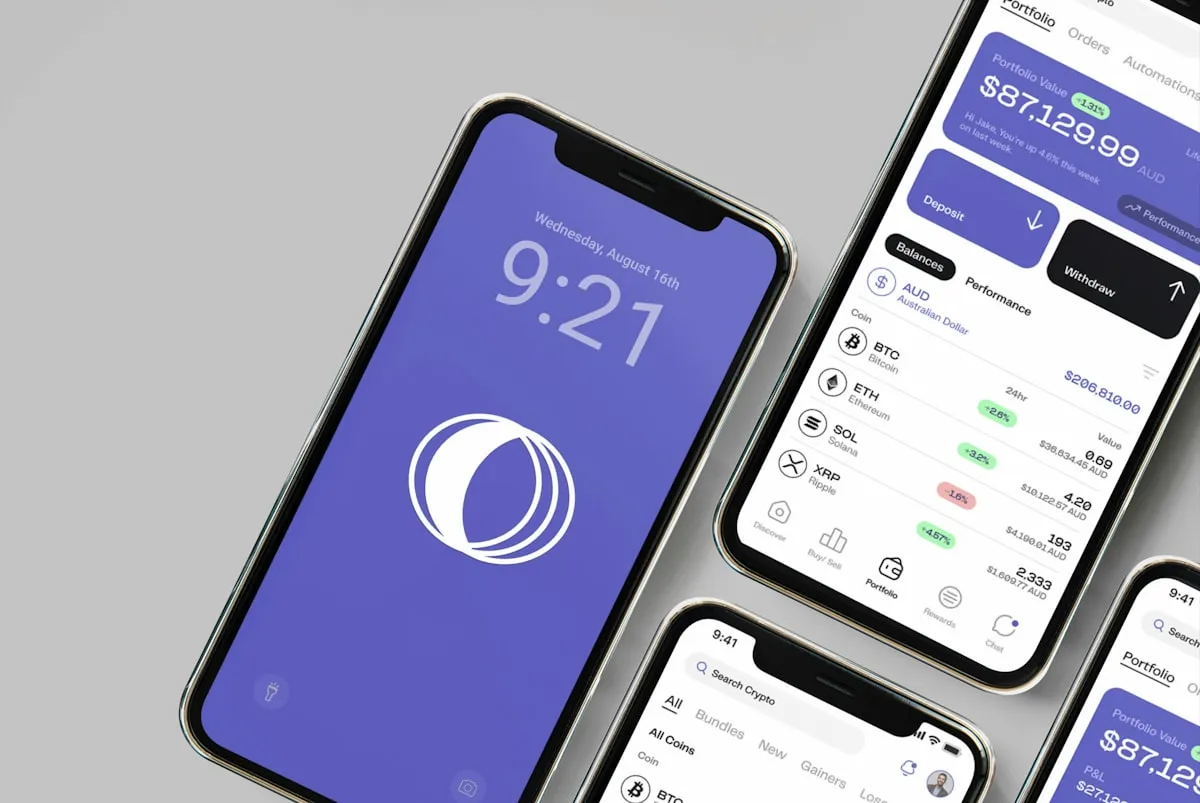
The term "progressive" refers to progressive enhancement - these applications work for every user, regardless of browser choice, but they progressively unlock richer features on platforms that support them. A user on an older browser gets a fast, responsive website. A user on a modern mobile browser gets an app-like experience with offline support and installation prompts.
Major platforms have embraced PWAs. Google has championed the standard from the beginning. Microsoft supports PWAs in Windows and lists them in the Microsoft Store. Apple's support has historically lagged, but recent iOS updates have improved service worker reliability and added more web API access, making PWAs viable on iPhones in ways they were not just a few years ago.
Why PWAs matter in 2026
The economics are straightforward. Native app development requires separate codebases for iOS and Android, each with its own maintenance burden, platform-specific bugs, and approval processes. A PWA is a single codebase that runs everywhere, deployed through your existing web infrastructure without gatekeepers. For startups and mid-market companies, this difference often determines whether an app idea is financially viable at all.
Distribution is simpler. Users do not need to visit an app store, wait for a download, or sacrifice device storage. They visit a URL, and if they like the experience, they can install it with a single tap. The friction is minimal, and the conversion rates reflect it. We have seen clients achieve installation rates with PWAs that far exceed the percentage of mobile web visitors who would download a native app.
Updates happen instantly. When you deploy a new version of a PWA, users get it the next time they open the app - no waiting for app store review, no staggered rollout across platforms, no old versions lingering on devices for months because users ignore update prompts. This rapid iteration cycle is transformative for businesses that need to respond quickly to user feedback or market changes.
PWA vs native vs traditional web
Native apps still have advantages. They offer the deepest integration with platform features, the smoothest performance for graphics-intensive applications, and the highest level of user trust because they come from a curated store. For games, augmented reality experiences, and apps that rely on cutting-edge device APIs, native development remains the best choice.

Traditional websites excel at content delivery and SEO. They require no installation, work universally, and are indexed by search engines. For marketing sites, blogs, and informational resources, a traditional responsive website is often the right solution.
PWAs occupy the middle ground. They offer near-native user experience without native development costs. They are discoverable through search engines like websites but installable like apps. They work offline better than traditional sites but do not have the full platform access of native apps. For e-commerce, SaaS products, booking systems, content platforms, and business tools, this middle ground is often the optimal choice.
Real-world impact
The data backs up the investment. Twitter's PWA reduced data usage by 70% compared to their native Android app while increasing pages per session and time spent on the platform. Starbucks' PWA is 99.84% smaller than their iOS app, loads in under three seconds on 3G networks, and doubled daily active users. Trivago saw a 97% increase in clickouts to hotel offers after launching their PWA.
Our Prague retail client saw similar results on a smaller scale. Their PWA converted 23% better than their previous mobile site, largely because the offline functionality meant users could browse products even in subway stations with no signal. The add-to-home-screen feature created persistent brand presence that drove repeat visits. And because the entire solution was built on web technologies their team already knew, ongoing maintenance costs were substantially lower than projected native app expenses.
Getting started
Building a PWA does not mean starting from scratch. If you have a responsive website, you already have the foundation. The incremental steps - implementing a service worker, creating a web app manifest, optimizing for performance, adding offline support - can be tackled progressively. Start with the features that matter most to your users and expand from there.

At Kosmoweb, we approach PWA projects by first identifying which app-like features will deliver the most user value. For some clients, that is offline access to critical content. For others, it is push notifications that re-engage users. For e-commerce clients, it is often the installability and home screen presence that keeps the brand top-of-mind. Prioritizing these features ensures that the investment produces measurable returns quickly.
The web platform continues to evolve. New APIs unlock more capabilities every year. The gap between what PWAs can do and what native apps can do continues to shrink. For businesses evaluating their mobile strategy in 2026, Progressive Web Apps represent a pragmatic path to app-like experiences without app-like costs. The technology has matured past the experimental phase. It is production-ready, battle-tested by major companies, and increasingly expected by users who have grown accustomed to fast, reliable, installable web experiences.